Planning an event menu is about more than choosing what to serve. The right menu should reflect your occasion, accommodate your guests, and complement the overall experience.
Whether you’re hosting a corporate gathering, wedding, gala, or private celebration, thoughtful menu planning can make all the difference. From selecting the right service style to incorporating seasonal ingredients, here’s what to consider when planning your event menu.
1. Start With Your Event Style
Before selecting dishes, consider the type of event you’re hosting, how guests will interact, and the atmosphere you want to create. Your event’s format, schedule, and overall experience will help determine the best catering style.
For example:
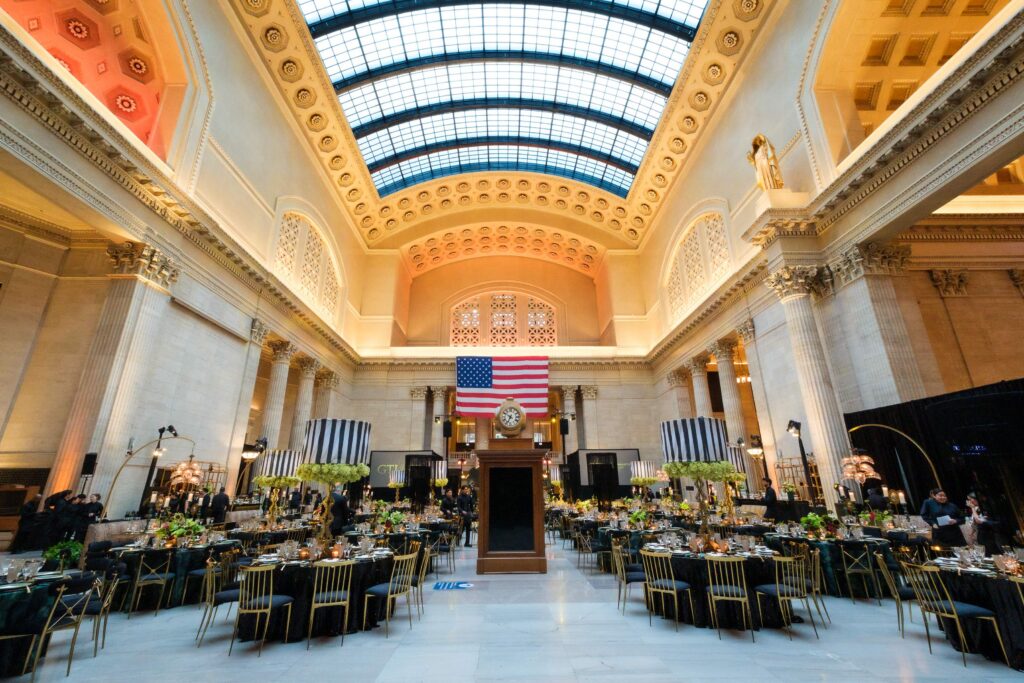
Corporate events: Food stations and passed appetizers can encourage networking, while plated dinners work well for more formal gatherings.
Weddings: Plated dinners offer a traditional dining experience, while family-style meals and interactive stations create opportunities for guests to connect.
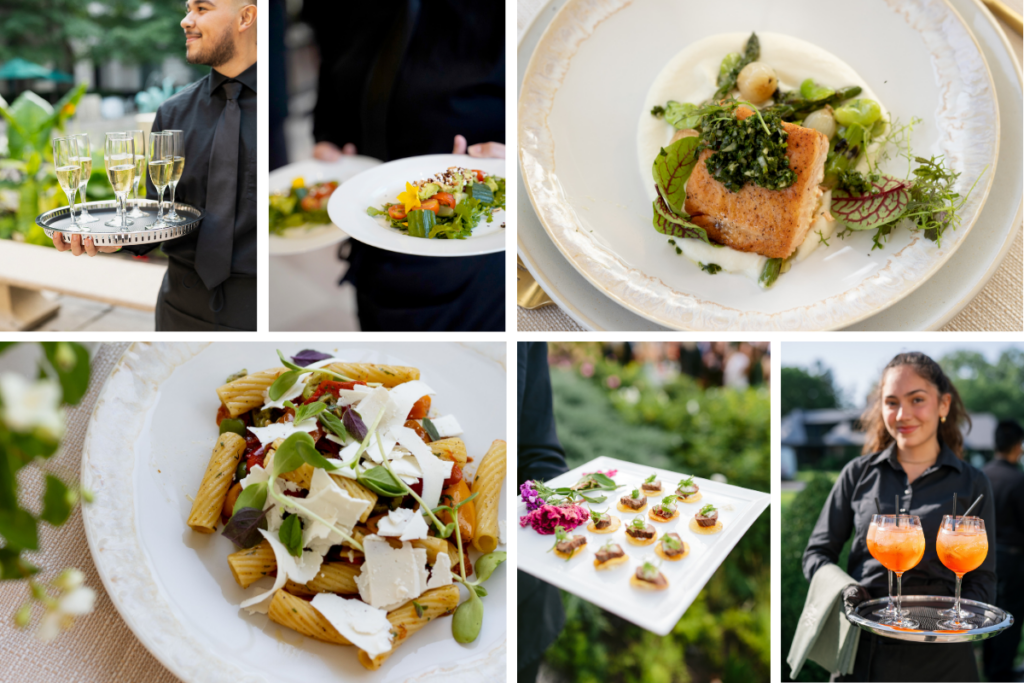
Cocktail receptions: Passed hors d’oeuvres and interactive food stations allow guests to mingle throughout the event.
Private celebrations: Buffets, family-style service, and custom dining experiences offer flexibility depending on the occasion.
There isn’t one catering style that works for every event. The best approach depends on your guests, venue, timeline, and vision.
For more wedding-specific inspiration, explore our guide on How to Create a Wedding Dining Experience Your Guests Will Remember, featuring ideas for personalized menus, seasonal ingredients, and interactive dining experiences.

2. Consider Your Guest Count, Budget, and Timeline
Before building your menu, establish a few important details: how many guests you’re expecting, your overall catering budget, and how food service will fit into the event schedule.
Guest count can influence everything from menu selections to the number of food stations or service staff needed. Your budget will help determine the appropriate menu and service style, while your timeline ensures guests are served at the right moments throughout the event.
For example, a networking reception for 500 guests requires a different approach than a seated dinner for 50.
Working through these details early allows your catering team to recommend options that make sense for your event.
3. Take Into Account Your Guests' Dietary Needs
A great event menu should offer something for everyone. Before finalizing your selections, gather information about dietary restrictions and preferences.
Common considerations include:
Vegetarian and vegan options
Gluten-free dishes
Food allergies
Religious or cultural dietary requirements
Work with your caterer to create a balanced menu with options for different dietary needs. Thoughtful planning helps ensure guests feel considered and can enjoy the dining experience.
Planning Tip: Include dietary questions in your RSVP process so your catering team has time to plan appropriate menu options and service accommodations.


4. Build Your Menu Around Seasonal Ingredients
Seasonal ingredients can bring freshness, variety, and flavor to your event menu.
In Chicago, each season offers different opportunities:
Spring: Asparagus, peas, radishes, and fresh herbs
Summer: Tomatoes, sweet corn, berries, and stone fruit
Fall: Squash, apples, mushrooms, and root vegetables
Winter: Hearty greens, citrus, and roasted seasonal vegetables
At Paramount Events, our farm-to-table approach to catering emphasizes fresh, seasonal ingredients sourced from local farms and purveyors. We also grow herbs, vegetables, and garnishes year-round in our on-site greenhouse, bringing another layer of freshness and creativity to our menus. This commitment to local sourcing and sustainable catering allows us to highlight the best ingredients each season has to offer.
5. Create Balance and Variety
A successful catering menu includes a mix of flavors, textures, and dishes.
Consider offering:
A combination of lighter and heartier options
Different proteins alongside plant-based selections
A variety of cooking methods and flavor profiles
Complementary sides and accompaniments
For multi-course meals, think about how each dish flows into the next. For food stations or buffets, offer enough variety without overwhelming guests with too many choices.


6. Think Beyond the Food
How your food is served can be just as important as what’s on the menu.
Interactive culinary experiences can add an engaging element to your event. Depending on the occasion, consider:
Live chef-attended stations
Custom pasta or carving stations
Passed hors d’oeuvres and mobile food experiences
Specialty cocktail and mocktail bars
Interactive dessert stations
Presentation, service, and atmosphere also contribute to the overall dining experience. For a closer look at these elements, read The Art of Luxury Catering in Chicago: Designing Experiences Beyond the Plate.
7. Work With Your Caterer to Customize the Menu
Every event has different priorities, which is why working with an experienced catering team can make such a difference.
Your caterer should help you develop a menu based on your guest count, budget, venue, timeline, dietary needs, and overall vision.
At Paramount Events, our in-house culinary team creates custom menus for everything from intimate private dinners to large-scale corporate events, galas, and weddings. With a chef-driven approach and a commitment to seasonal ingredients, we create menus that reflect each client’s vision while considering the logistics required to execute the event.


Frequently Asked Questions About Event Menu Planning
How far in advance should you plan your event menu?
Start discussing your menu when you begin working with your caterer. Larger events, weddings, and celebrations with complex service requirements may need additional planning time. Final selections and guest counts should follow your caterer’s deadlines.
How many food options should you offer at an event?
The ideal number depends on your guest count, event duration, and service style. A plated dinner typically requires fewer selections than a reception with multiple food stations. Your caterer can recommend the right variety based on your event.
How much food should you plan per guest?
The amount of food needed depends on the event’s duration, service style, and whether you’re serving a full meal or lighter refreshments. A cocktail reception with passed appetizers requires different planning than a seated dinner or an event with multiple food stations. Your caterer can help determine appropriate quantities based on your guest count and schedule.
What is the best catering style for a corporate event?
Food stations, buffets, and passed appetizers are popular for corporate events because they allow flexibility and encourage networking. Plated dinners are also a great option for formal galas, awards ceremonies, and other seated corporate gatherings.
Can a catering menu be customized for dietary restrictions?
Yes. Many professional caterers can accommodate vegetarian, vegan, gluten-free, and other dietary needs. Communicate restrictions early so your culinary team can plan appropriate options and discuss allergy protocols.
Plan Your Next Event With Paramount Events
The best event menus balance flavor, variety, and the needs of your guests. With the right catering partner, you can create a dining experience that complements every part of your event.
Planning an event in Chicago? Contact Paramount Events to explore custom catering menus for your next wedding, corporate gathering, or private celebration.